
What To Do in the First 24 Hours After Midwest Property Damage
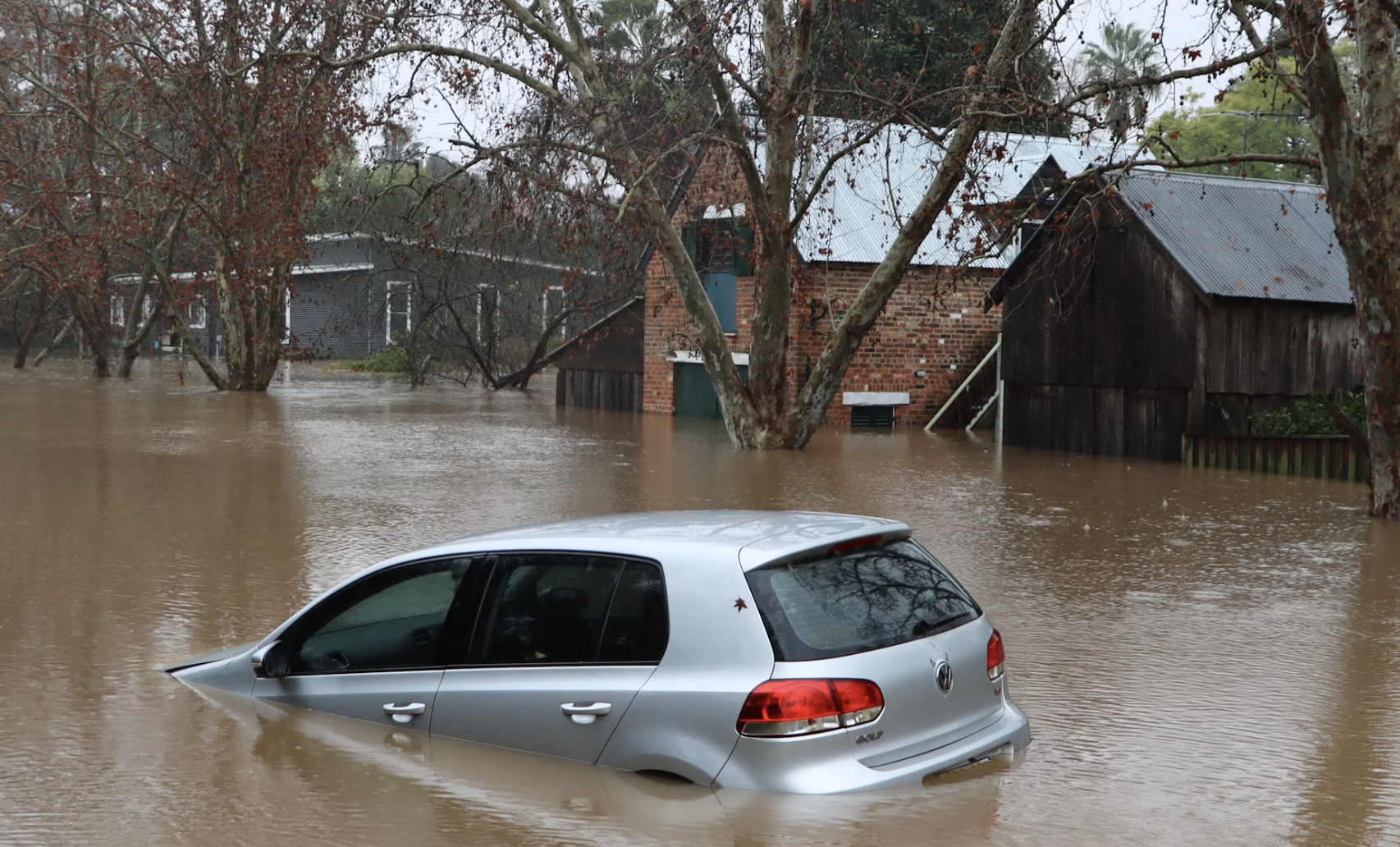
Key Takeaways
Shut off the water source immediately and cut power to flooded areas before entering
Document all damage with photos and video before removing or cleaning up anything
Contact a professional restoration company as soon as possible, not after you've tried to clean up first
Notify your insurance company promptly once you've made that first call
Mold can begin forming within 24 to 48 hours in wet conditions
Sewage water is hazardous and requires professional handling, not a DIY cleanup
Locally owned restoration companies in smaller Midwest markets often respond faster and are more directly accountable to you as the property owner
A burst pipe in December. A sump pump that quit during a spring storm. A washing machine that overflowed while you were at work. If you've lived in Illinois, Missouri, or Iowa for any length of time, you know these aren't freak events. The Midwest's combination of hard winters, aging housing stock, and volatile weather makes property damage a recurring reality for homeowners across the region.
What most people don't realize is that the decisions made in those first 24 hours determine a lot. Act quickly and in the right order, and you protect your home and your claim. Wait too long or handle things backward, and you create problems that are entirely avoidable.
Shut Off the Source and Secure the Scene
First things first. If water is actively coming in, stop it. Locate the main water shutoff valve and turn it off, or find the closest shutoff to the problem if it's an isolated supply line or appliance. Don't wait to identify the exact source before shutting off the main.
Electricity is the immediate safety concern. Before entering any area with standing water, turn off power to that section at the breaker. If you can't safely reach the panel, don't go in. Water and live electrical current can kill. This isn't the moment to assess risk yourself.
For fire damage, the calculus changes. Don't re-enter a structure that's been through a fire until the fire department confirms it's structurally safe. Smoke inhalation, compromised structural elements, and toxic residue are all real hazards that aren't always visible.
Document Everything Before You Touch Anything
This step gets skipped constantly, and it costs homeowners.
Before you pull up wet carpet, move furniture, or grab a mop, take your phone and record everything. Every wall, every room, every piece of affected furniture. Get the source of damage on video if you can safely reach it. Check your water meter if a supply line failed and get that number on camera too.
Insurance adjusters work from evidence. A clean, thorough photo record made at the moment of discovery is far more useful than photos taken after some cleanup has already happened. If you start removing materials first, you're working against yourself when the adjuster arrives.
Save everything to the cloud immediately.
Call a Restoration Company First, Then Your Insurer
Here's something that catches a lot of homeowners off guard: you don't have to call your insurance company before calling a restoration crew. In fact, getting certified professionals on-site quickly is often the smarter first move.
Why? Because a restoration crew can begin mitigation right away, and every hour that wet materials stay wet increases the risk of mold, warping, and structural deterioration. Your insurer wants documentation of damage, yes, but they also expect you to take reasonable steps to prevent further loss. Letting water sit while you wait for a claims adjuster doesn't help your case.
Clean Restoration, a locally owned company serving Western Illinois, northeast Missouri, and southeast Iowa, operates 24 hours a day, every day of the year. Their team can be on-site within an hour of a call. That kind of response time matters when water is actively soaking into drywall, subfloor materials, and wall insulation.
Once the restoration crew is on the way, call your insurer and open your claim. Most carriers have 24-hour lines. Give them the same photos and video you captured earlier.
What Mitigation Actually Means
There's a practical distinction worth understanding here. Mitigation and restoration aren't the same thing, and confusing them leads to unrealistic expectations about how long the process takes.
Mitigation is the emergency phase: extraction, drying, boarding up, and securing the structure against additional damage. Restoration is what comes after, the repairs, material replacement, and work that returns your home to its pre-damage condition. That part often comes weeks later, after thorough drying is confirmed and a detailed scope of work is agreed on.
Professional mitigation teams use commercial-grade extraction pumps, industrial air movers, and high-capacity dehumidifiers to dry structural materials from the inside out. It's not something a consumer fan or shop vac can replicate. The goal isn't just removing visible water. It's bringing moisture levels in walls, floors, and framing back to measurable, acceptable ranges, and that takes several days of equipment running continuously.
The Mold Problem Nobody Takes Seriously Until It's Too Late
Mold can start developing in wet conditions in as little as 24 to 48 hours. In a warm Midwest summer, that window may be even shorter. Black mold is both a health issue and a major complicating factor in insurance claims and home resale.
Speed matters here not just because of the visible mess. It matters because of what's happening inside walls and under flooring where you can't see anything. A water loss that looks minor on the surface can produce significant hidden moisture in structural materials.
Getting water damage restoration in Western Illinois underway quickly is, in most cases, much less expensive than addressing a mold problem that develops weeks after an inadequately dried loss. And mold remediation is a whole separate process from water damage restoration.
Sewage Backup: A Different Kind of Emergency
If the damage involves a sewage backup, a sewer line issue, or even a toilet overflow with wastewater, treat it completely differently than clean water from a pipe burst.
Category 3 water, which is the technical classification for sewage-contaminated water, contains bacteria and pathogens that pose genuine health risks. Don't walk through it without protection. Keep children and pets entirely out of the area. If you do have to enter, use rubber gloves, waterproof boots, and eye protection at minimum.
But honestly? Sewage backup is a situation where trying to manage it yourself rarely ends well. Professional crews have the proper disinfecting agents, containment protocols, and disposal methods to safely handle contaminated water and materials. And the health risk if something is missed isn't worth the money saved.
Midwest-Specific Scenarios That Catch Homeowners Off Guard
A few damage types are worth flagging specifically for homeowners across Illinois, Missouri, and Iowa.
Frozen pipes are a serious winter risk in this region. When temperatures drop for extended periods, pipes in unheated crawl spaces, exterior walls, and garages can freeze and burst. Water often flows for hours before anyone notices, especially in vacation properties or less-used areas of a home.
Sump pump failures during spring storms are another major culprit. When heavy rain overwhelms a failed or underpowered pump, or when a power outage knocks it out mid-storm, basements can take on several inches of water in minutes. A battery backup sump pump is one of the more cost-effective preventive measures a Midwest homeowner can invest in.
Supply line failures under sinks, refrigerator water line leaks, and hose bib issues can all push significant water into subfloor materials before you ever notice a wet spot. Don't assume a small source means small damage.
What to Tell Your Insurance Company
When you make that first call to your insurer, a few things help the conversation go more smoothly. Know your policy number. Describe the source of damage as specifically as you can. Ask about your deductible and whether your specific type of damage is covered. Ask whether they need an adjuster visit before remediation can proceed, or whether your restoration company can begin immediately.
You also have the right to choose your own contractor. Your insurer may recommend one, but the decision is yours. And an independent, locally owned company is generally more accountable to you as the property owner than a franchise dispatched through a national network.
Write down every conversation. Date, time, and the name of whoever you spoke with.
Why Local Matters More Than People Realize
National franchise restoration brands have marketing muscle, but that doesn't automatically mean faster service or better outcomes. In smaller Midwest markets like Quincy, Hannibal, Macomb, or Keokuk, a locally owned operation can often reach you faster, knows the local housing stock better, and has a real stake in their community reputation. And when you're calling at 2 a.m. because your basement has two feet of water in it, having a direct line to someone who answers makes all the difference.
Frequently Asked Questions
How quickly does mold grow after water damage?
Mold can begin developing within 24 to 48 hours in wet conditions. Temperature and humidity accelerate the timeline. This is the primary reason professional drying should begin as quickly as possible after any water loss.
Should I call a restoration company or my insurance company first?
Calling a restoration company first is generally the better approach. Getting a crew on-site quickly limits additional damage and demonstrates to your insurer that you took reasonable steps to protect your property. You can notify your insurer shortly after or simultaneously.
What's the difference between mitigation and restoration?
Mitigation is the emergency phase: water extraction, structural drying, and securing the property. Restoration is the rebuilding phase that follows once drying is complete and a repair scope is established. The two are separate processes and often involve different timelines.
Can I clean up water damage myself?
For very minor surface moisture on non-porous materials, limited cleanup may be manageable. But for any water loss involving flooring, drywall, or a larger area, professional drying equipment is needed to prevent mold and hidden structural damage. Consumer-grade fans and dehumidifiers don't produce results comparable to commercial drying equipment.
Does homeowners insurance cover water damage from burst pipes?
In many cases, yes. Sudden and accidental water damage from events like burst pipes or appliance malfunctions is often covered under standard homeowners policies. Gradual leaks, flooding from outside the structure, and sewage backup typically require separate coverage or endorsements. Review your specific policy carefully.
What should I do if my basement floods?
Don't enter if there's any risk of electrical contact. Cut power to the area at the breaker first. Document the damage with photos before removing anything. Then call a professional restoration company right away. The longer water sits in contact with structural materials, the more secondary damage accumulates.
Is sewage backup covered by homeowners insurance?
Standard homeowners policies often exclude sewage or water backup damage unless a specific endorsement has been added. If your policy doesn't currently include a sewer backup rider, it's worth asking your insurer about adding one before you ever need it. Coverage availability and cost vary by carrier and region.
This article is intended for general educational purposes only. It does not constitute legal, insurance, or professional restoration advice. Coverage terms, building codes, and best practices may vary by location and situation. Consult with a licensed insurance professional and a certified restoration contractor for guidance specific to your circumstances.