
How Can Aluminum Furnaces Reduce Energy Use With HE Coatings?
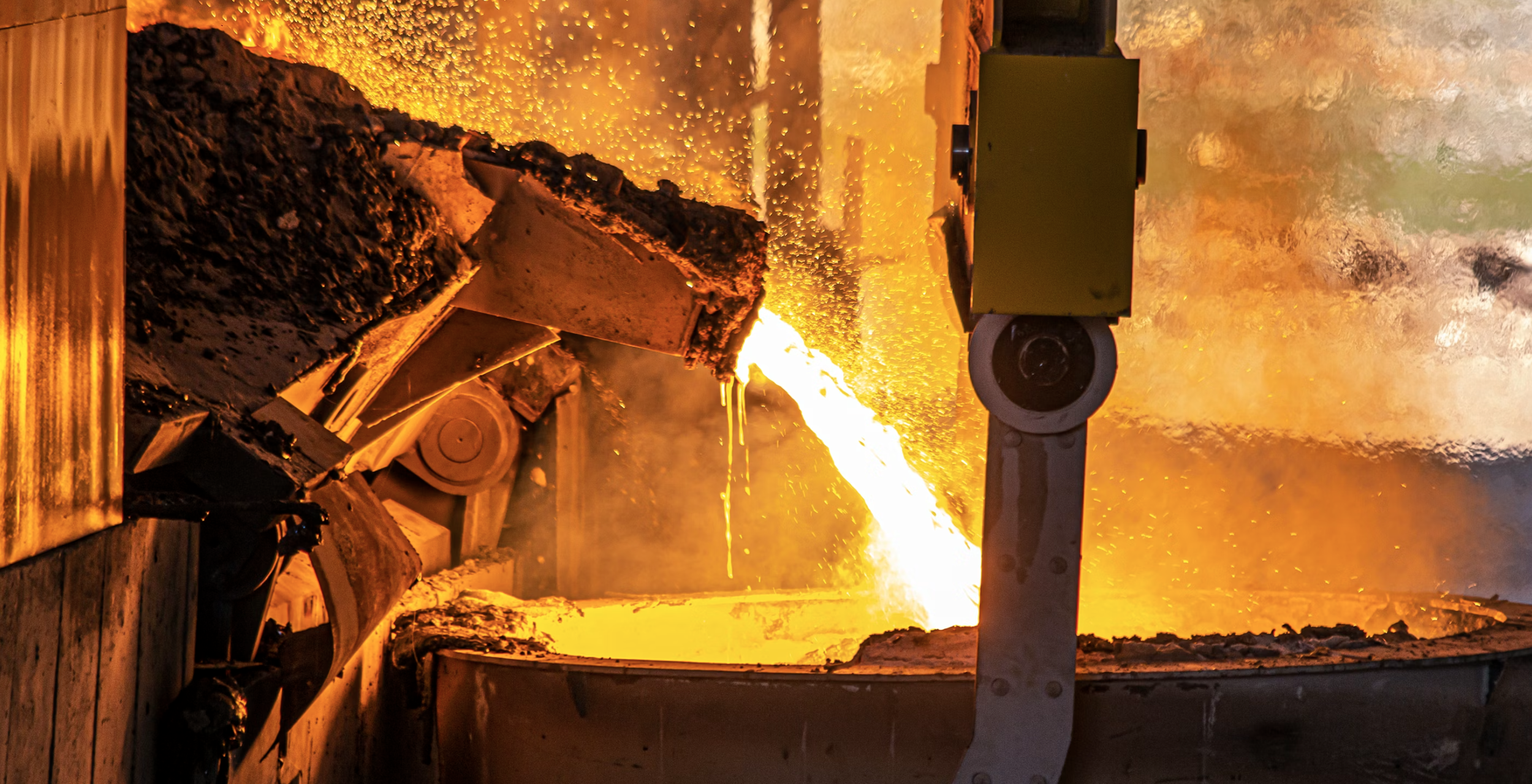
Aluminum processors face mounting pressure to cut operating costs while maintaining production targets. With energy accounting for a substantial portion of furnace operating expenses and typical aluminum melting furnace efficiencies hovering around 26 to 30 percent, even modest improvements deliver significant financial impact. High-emissivity coatings present a practical pathway to meaningful energy reductions without requiring major capital investments or production disruptions.
Understanding Energy Loss in Aluminum Furnaces
Aluminum melting and holding furnaces lose energy through multiple pathways. Combustion flue gases carry away 35 to 50 percent of input energy. Furnace walls conduct heat to the surrounding environment. Dross formation on the metal surface consumes both energy and valuable aluminum. Door openings for charging material introduce ambient air while releasing heat.
The typical reverberatory furnace in aluminum processing consumes over 3,787 kilojoules per kilogram of aluminum melted, though the theoretical energy requirement sits at approximately 1,150 kilojoules per kilogram. This gap between actual and theoretical performance highlights the opportunity for efficiency improvements through better heat transfer mechanisms.
How High-Emissivity Coatings Function
Standard uncoated refractory materials exhibit emissivity values between 0.3 and 0.5 at aluminum processing temperatures. Emissivity measures how effectively a surface absorbs and re-radiates thermal energy compared to an ideal black body. Lower emissivity means substantial radiant energy reflects back into the combustion space rather than transferring to the aluminum load.
High-emissivity coatings increase surface emissivity to values between 0.85 and 0.95 across the full operating temperature range. The coating absorbs radiant and convective energy from burner flames and hot gases, then re-radiates this energy directly to the cooler aluminum being processed. This enhanced radiation transfer accelerates heating rates while reducing fuel consumption.
The technology originated from NASA aerospace applications where managing extreme temperature variations in space required materials with precise thermal radiation properties. Chase Nedrow provides installation services for these space-certified coating systems adapted for industrial aluminum processing environments.
Documented Energy Savings in Aluminum Applications
Field applications demonstrate consistent energy reductions when high-emissivity coatings are properly applied to aluminum furnace refractories. Documented energy savings range from 5 to 10 percent depending on furnace design, operating practices, and baseline efficiency levels. One aluminum bale-out furnace application reduced energy consumption from 110 therms to 70 therms per shift following coating application, representing a 36 percent improvement.
These savings stem from more efficient radiant heat transfer allowing the same heating rates with reduced burner firing. The coating creates a more uniform thermal environment inside the furnace chamber, eliminating hot spots while ensuring consistent heating across the entire aluminum load. Temperature monitoring shows exterior furnace wall temperatures decrease by an average of 30 degrees Fahrenheit after coating application, indicating less heat loss through the structure.
Chase Nedrow's certified installers have applied high-emissivity coatings to aluminum melting furnaces, holding furnaces, and heat treatment systems across North America. The company's experience spans both retrofit applications on existing equipment and new construction projects incorporating coating systems from initial design.
Reducing Dross Formation
Dross formation represents one of the most costly aspects of aluminum processing. This oxidized material forms when molten aluminum reacts with oxygen at elevated temperatures. Dross typically contains 15 to 50 percent recoverable aluminum mixed with aluminum oxide and other impurities. Separating the aluminum requires additional processing, and some material remains permanently lost.
Gas-fired aluminum furnaces can experience dross formation rates as high as 10 percent of throughput in poorly controlled situations. Even well-managed operations typically see 2 to 3 percent dross generation. At current aluminum prices, this represents substantial economic loss. A facility processing 100 tons annually with 2 percent dross formation loses approximately $4,000 worth of material assuming $2,000 per ton aluminum value.
High-emissivity coatings help minimize dross formation through multiple mechanisms. The improved heat transfer reduces the time aluminum spends at peak temperatures where oxidation rates accelerate. More uniform heating eliminates localized overheating that promotes rapid oxide formation. Lower exterior wall temperatures indicate less heat absorbed by furnace structure, meaning more energy directs toward productive heating rather than excessive surface temperatures that accelerate oxidation.
Accelerated Production Cycles
Faster heat-up times provide another significant advantage of high-emissivity coating systems. Aluminum processors often face long preheating cycles when bringing furnaces to operating temperature or when heating cold charge material. Some operations report heat-up time reductions exceeding six hours after coating application.
This acceleration allows multiple production benefits. Facilities can increase throughput without additional fuel input by running more heating cycles within the same operating window. Maintenance schedules become more flexible when furnaces reach operating conditions more quickly after shutdowns. Product turnaround improves when aluminum reaches target temperatures faster.
The enhanced radiation properties create more responsive temperature control. Operators can make firing adjustments knowing the furnace responds more predictably to burner modulation. This improved control helps maintain tight temperature specifications for alloys requiring precise heat treatment protocols.
Application Considerations for Aluminum Furnaces
Successful high-emissivity coating performance depends heavily on proper surface preparation and application technique. Existing refractory must be thoroughly cleaned with all loose material, contamination, and deteriorated sections removed. Surface preparation ranks as the single most critical factor influencing coating adhesion and longevity.
The coating is typically spray-applied to achieve uniform coverage and appropriate thickness. Application thickness ranges from 10 to 30 mils depending on substrate characteristics and expected operating conditions. After application, coatings require several hours of ambient temperature curing before furnace startup. Gradual temperature increases during initial startup allow proper coating consolidation and bonding.
Chase Nedrow's aluminum furnace coating services include comprehensive surface assessment, preparation specifications, and installation procedures developed through extensive field experience. The company works with aluminum processors to schedule coating applications during planned maintenance outages minimizing production impact.
Coating Durability and Maintenance
High-emissivity coatings demonstrate excellent durability when applied to suitable substrates and operated within design parameters. The ceramic formulations resist thermal shock and maintain adhesion through repeated heating and cooling cycles. Emissivity values remain stable at temperatures exceeding 3,000 degrees Fahrenheit.
Aluminum processing presents specific challenges for coating systems. Molten metal splash can damage coating if material contacts the hot face. Mechanical impact from charging operations requires operators to exercise appropriate care. Salt flux applications used in some aluminum melting operations may affect coating longevity depending on flux chemistry and application methods.
Periodic visual inspection allows identification of areas requiring touch-up or repair. Small damaged sections can often be repaired during routine maintenance shutdowns without complete furnace recoating. This maintainability contributes to favorable lifecycle economics compared to alternatives requiring complete replacement.
Integration with Other Efficiency Measures
High-emissivity coatings complement other aluminum furnace efficiency technologies. Combustion air preheating systems capture waste heat from flue gases while coatings ensure maximum energy transfer to the aluminum load. Advanced burner designs optimize flame characteristics while coatings enhance radiation from combustion products. Improved insulation systems minimize conductive losses while coatings address radiative transfer efficiency.
The key insight is that coating technology specifically targets heat transfer effectiveness. Facilities already implementing waste heat recovery, combustion optimization, and proper insulation practices can achieve additional incremental gains through coating application. The technologies work synergistically rather than competing for the same efficiency improvements.
Many aluminum processors find coating installation provides an accessible entry point for efficiency improvements. The relatively modest capital requirement and quick installation timeline make coatings attractive compared to major equipment replacements. Facilities can implement coatings while evaluating more extensive efficiency upgrades for future consideration.
Economic Analysis
Payback periods for high-emissivity coating investments are typically less than 1 year, depending on furnace size, operating hours, fuel costs, and baseline efficiency. Larger furnaces with continuous operation provide faster returns due to higher absolute energy savings. Natural gas price fluctuations influence economics with higher fuel costs accelerating payback.
Beyond direct fuel savings, coatings deliver additional economic benefits. Reduced dross formation preserves valuable aluminum that otherwise requires additional processing or represents permanent loss. Extended refractory life from cooler operating temperatures decreases maintenance frequency and costs. Improved temperature control can enhance product quality reducing scrap rates.
Chase Nedrow works with aluminum processors to develop site-specific economic projections considering actual operating parameters, fuel costs, and throughput requirements. These assessments help facilities evaluate coating investments against competing capital allocation options and establish realistic performance expectations.
Environmental Impact
Reducing fuel consumption directly decreases greenhouse gas emissions from aluminum processing operations. A 7 percent natural gas reduction in a medium-sized aluminum melting facility can eliminate over 100 metric tons of carbon dioxide equivalent emissions annually. As regulatory pressure intensifies around industrial emissions, coatings provide a practical tool for reducing carbon intensity.
Lower dross formation also carries environmental benefits. Dross processing and disposal creates its own environmental footprint through additional energy consumption and waste generation. Minimizing dross at the source reduces this secondary impact while preserving aluminum resources.
The coating technology optimizes existing assets rather than requiring equipment replacement. This approach aligns with circular economy principles by extending useful life of current infrastructure while reducing environmental impact. Facilities can improve sustainability metrics without the embodied carbon costs associated with new equipment manufacturing and installation.
Selecting Appropriate Coating Systems
Not all high-emissivity coatings perform equivalently across different aluminum applications. Coating selection should consider substrate type, maximum operating temperature, furnace atmosphere characteristics, and anticipated mechanical stresses. Melting furnaces face different challenges than holding furnaces or heat treatment systems.
Space-certified coating technologies offer proven performance records in demanding applications. These formulations underwent extensive validation for aerospace use where failure carries catastrophic consequences. Adapting such technologies for industrial aluminum processing provides high confidence in coating durability and performance consistency.
Working with experienced coating specialists ensures proper specification for specific operating conditions. Chase Nedrow brings decades of refractory and high-temperature coating expertise to aluminum applications. This combined knowledge helps processors avoid common pitfalls while maximizing coating benefits.
Implementation Strategy
Successful coating implementation begins with baseline performance documentation. Facilities should establish current energy consumption rates, dross generation levels, and production metrics before coating application. This baseline enables accurate measurement of actual improvements following installation.
Scheduling coating application during planned maintenance outages minimizes production disruption. Surface preparation and coating application typically require several days depending on furnace size and complexity. Coordinating with other maintenance activities maximizes the value of planned downtime.
Operator training helps ensure coating longevity. Personnel should understand that coatings enhance heat transfer rather than providing additional insulation. Proper charging techniques, flame management, and general operating practices contribute to sustained coating performance over multiple years of service.
Future Developments
Coating technology continues advancing with ongoing research into enhanced formulations and application methods. Improved adhesion systems promise longer service life in challenging environments. Enhanced spectral properties target specific wavelength bands for maximum energy efficiency gains. More robust mechanical properties address impact resistance for demanding applications.
As aluminum processors pursue ever-higher efficiency levels, coating systems will play an increasingly important role in comprehensive optimization strategies. The technology provides accessible improvements for facilities at all efficiency levels from baseline operations through highly optimized systems seeking incremental gains.
Aluminum processing faces ongoing pressure to reduce costs, minimize environmental impact, and maintain global competitiveness. High-emissivity coatings offer aluminum processors a proven technology delivering measurable energy reductions, decreased dross formation, and improved production efficiency. The combination of modest capital investment, quick implementation timeline, and documented results makes coatings an attractive option for facilities seeking practical efficiency improvements.