
How to Choose a Termite Tenting Company in Miami
Key Takeaways:
Verify the company performs fumigation directly rather than subcontracting to avoid warranty complications
Florida requires FDACS certification for all fumigation operators, which should be verifiable before hiring
Minimum 2-year warranties on drywood termite fumigation indicate company confidence in work quality
Companies with 25+ years of Miami-specific experience understand local building types and termite patterns
Clearance testing must use calibrated equipment measuring gas levels below 1 part per million before reentry
Itemized quotes reveal exactly what services are included versus vague package pricing
Owner-operated companies provide direct accountability that corporate chains cannot match
Bilingual service ensures clear communication during complex preparation and safety procedures
Choosing a fumigation company in Miami shouldn't feel like gambling, but many homeowners approach it that way. They get three quotes, pick the middle price, and hope for good results. This strategy works fine for hiring a lawn service. For termite fumigation, where your family's safety and your home's structural integrity are at stake, it deserves more careful consideration.
The fumigation industry in South Florida has distinct characteristics that homeowners outside the region might not encounter. Understanding what separates legitimate professional fumigators from companies that cut corners or broker services to the lowest bidder makes the difference between effective treatment and costly problems down the road.
Start With the Licensing Question
Florida's fumigation regulations exist because structural fumigation is inherently dangerous when performed incorrectly. The state requires fumigation operators to complete specialized training through the Florida Department of Agriculture and Consumer Services (FDACS) and pass certification exams that cover gas dynamics, safety protocols, structural sealing, and emergency procedures.
This certification isn't optional or automatic. Any company offering fumigation services in Miami should employ FDACS-certified operators. Ask to see certification before hiring, and verify that the operators who will actually work on your home hold valid certifications, not just the company owner.
The distinction matters because many pest control companies offer fumigation as a service but subcontract the actual work to wholesale fumigators. The office staff taking your call might be licensed for general pest control but not certified for fumigation. You won't discover this until fumigation day when unfamiliar crews arrive.
One red flag: companies that hesitate or seem annoyed when asked about FDACS certification. Legitimate operators expect this question and answer it immediately.
Understand the Subcontracting Problem
Miami's fumigation market has a significant divide between companies that perform fumigation work themselves and companies that broker fumigation services. This business model affects pricing, warranty reliability, and overall service quality in ways that aren't obvious until problems arise.
When companies subcontract fumigation, you're essentially paying a middleman fee for connecting you with the actual fumigators. The company you hired might mark up the wholesale price by 20% to 40%, meaning you're paying more for identical work. More concerning, the warranty typically comes from the subcontractor, not the company you contracted with.
This creates accountability gaps. If termites reappear within the warranty period, the company you hired directs you to the subcontractor. The subcontractor explains they only work for the original company and cannot honor direct warranty claims. Homeowners get trapped between two companies pointing fingers at each other.
Direct service providers eliminate this problem entirely. Companies like Bye Bye Termites perform all fumigation work with their own certified operators and equipment. When you call with a warranty claim, you're speaking with the same company that fumigated your home. The accountability is clear and immediate.
Ask directly: "Does your company perform the fumigation work, or do you subcontract it?" The answer reveals whether you're hiring fumigators or middlemen.
Evaluate Experience Specifically in Miami
General pest control experience and fumigation experience are not interchangeable. Some companies have decades of experience treating ants and roaches but only added fumigation services recently. What matters is fumigation-specific experience in South Florida's unique environment.
Miami's climate creates year-round termite pressure that homeowners in northern states don't face. The types of construction common in South Florida, from concrete block homes to older wood-frame structures, require different fumigation approaches. Understanding how tropical weather patterns affect fumigation scheduling, how local building codes impact tenting procedures, and which neighborhoods historically have higher drywood termite activity comes only from sustained local experience.
Termite tenting companies in Miami with 25 to 30 years of continuous operation have weathered regulatory changes, economic downturns, and competitive pressures. That longevity suggests consistent quality and satisfied customers. Newer companies might deliver quality work, but they lack the accumulated knowledge and proven track record that decades of experience provide.
Ask how long the company has specifically performed fumigation work in Miami-Dade and Broward counties. If they've been in business for 30 years but only started fumigation five years ago, that's relevant information.
Examine Warranty Structures Carefully
Every fumigation company offers warranties, but the details separate meaningful guarantees from marketing language.
Effective warranties on drywood termite fumigation should provide at minimum two years of coverage. Shorter warranties are essentially useless because drywood termites can take months to show visible signs if they survived treatment or if reinfestation occurred. A 90-day warranty protects the company, not the homeowner.
The warranty should come from the company that performed the fumigation work. This seems obvious, but as mentioned earlier, subcontracted fumigation creates situations where warranties come from companies the homeowner never directly hired.
Written documentation matters. Verbal promises about "taking care of any problems" aren't warranties. Request written documentation before fumigation begins that clearly explains coverage duration, what triggers warranty service, any exclusions or limitations, and renewal options.
Bye Bye Termites provides 2-year warranties on drywood termite fumigation with renewal options for ongoing protection. This reflects confidence in their work quality and creates long-term accountability. Companies offering short warranties or resisting written documentation often lack that same confidence.
Assess Pricing Transparency
How companies present pricing reveals their business practices and respect for customers.
Transparent companies provide itemized quotes that break down square footage calculations, preparation assistance costs if applicable, fumigant expenses, monitoring and aeration procedures, and clearance testing. This allows meaningful comparison between quotes. When one company's price is significantly higher or lower than others, you can identify exactly where the difference lies.
Package pricing that quotes one all-inclusive number can be legitimate if everything truly is included and the price is fair. The risk comes when "all-inclusive" has unstated exceptions. Some companies quote attractively low package prices but exclude preparation assistance, debris removal, or other services that homeowners reasonably assumed were included.
Suspiciously low quotes should trigger investigation, not excitement. Fumigation has unavoidable costs: fumigant gas isn't cheap, professional-grade tarps and equipment require significant investment, liability insurance is expensive, and FDACS compliance adds administrative costs. Companies cannot legitimately undercut these costs by 40% or 50% and still perform safe, effective fumigation.
When quotes vary dramatically, ask specifically what's included and what's excluded. Request clarification about preparation assistance, aeration procedures, clearance testing protocols, and any circumstances that might increase the quoted price.
Verify Clearance Testing Protocols
The most critical safety procedure in fumigation happens at the end: clearance testing that confirms gas concentrations are safe before reentry.
Florida law and Vikane gas label requirements mandate that sulfuryl fluoride concentrations measure at 1 part per million or less in all breathing zones before anyone can reenter. This requires sensitive, properly calibrated detection equipment and systematic testing of every room.
Professional fumigators use devices like Interscan, Miran SapphIRe, or Spectros ExplorIR gas analyzers. These instruments cost thousands of dollars and require regular calibration and maintenance. Companies cutting costs sometimes use older or less accurate equipment, or they test only a few rooms rather than the entire structure.
Ask what specific equipment the company uses for clearance testing and how long the testing process typically takes. For an average-sized home, proper clearance testing requires one to two hours of systematic measurement with windows and doors closed. Companies claiming they can clear large homes in 20 minutes aren't testing thoroughly.
One concerning pattern some homeowners reported: companies that cleared homes for reentry only to have occupants experience headaches, irritation, or other symptoms suggesting elevated gas levels. Independent retesting revealed concentrations above safe levels in rooms the original company hadn't properly tested.
Consider the Owner-Operated Advantage
The structure of a fumigation company affects service quality in subtle but important ways.
Owner-operated companies where owners actively participate in fumigation work provide accountability that corporate structures cannot match. When owners are on-site managing fumigations, they have direct personal stake in quality and customer satisfaction. If problems arise, owners make decisions immediately rather than requiring approval from regional managers or corporate headquarters.
Bye Bye Termites operates with owners on-site for fumigations, ensuring consistent attention to detail across all jobs. This hands-on approach means the people who built their reputation over 30 years are the ones protecting that reputation with every fumigation.
Larger corporate operations, particularly national chains, route decision-making through multiple management layers. Technicians on-site cannot make substantive decisions without approval. This creates delays when complications arise that require immediate solutions.
The difference becomes particularly noticeable during warranty service. Owner-operated companies respond to callbacks quickly because owners personally handle the situation. Corporate chains require callbacks to go through customer service departments, then to regional managers, then eventually to technicians, a process that can take days or weeks.
Evaluate Communication and Accessibility
Fumigation requires homeowners to vacate their property for several days and complete extensive preparation. Clear communication throughout this process prevents delays and ensures safety.
Companies should provide detailed preparation instructions at least two to three days before fumigation, explaining exactly what needs to be removed, bagged, or protected. Vague instructions that leave homeowners confused about requirements create problems on fumigation day.
Bilingual service particularly matters in Miami's diverse community. Fumigation preparation involves complex requirements about food storage, plant removal, gas shutoff, and other specific tasks. Miscommunication about any of these steps can delay fumigation or create safety issues.
Some companies provide dedicated Spanish-speaking operators who handle the entire process from initial calls through fumigation completion. Others rely on bilingual office staff translating for monolingual technicians, which introduces delays and increases misunderstanding risks.
Ask whether the actual fumigation crew speaks your preferred language, not just the office staff. Direct communication with the people performing the work eliminates the telephone game of translated messages.
Check Service Area Coverage
Miami-Dade and Broward counties cover substantial geographic area. Not all fumigation companies service all neighborhoods equally.
Companies with established operations throughout the region can schedule fumigations more flexibly and respond to warranty callbacks faster. They're familiar with different municipalities' building codes and permitting requirements. They maintain relationships with local utilities for coordinating gas shutoffs and reconnections.
Fumigation companies serving Miami and surrounding areas including Coral Gables, Hialeah, Kendall, Miami Beach, Homestead, and Cutler Bay demonstrate comprehensive coverage. Limited service areas aren't necessarily problematic if you live within them, but they can create delays and higher costs if you're at the edge of their territory.
Companies that primarily serve northern Miami-Dade but quote jobs in Homestead often charge travel premiums or schedule less frequently in southern areas. Similarly, companies based far from your location might be less responsive to warranty callbacks.
Watch for Red Flags
Certain warning signs indicate companies to avoid:
Reluctance to answer direct questions about certification, subcontracting, or warranty details. Pressure tactics like "sign today or the price doubles" or manufactured urgency. Quotes significantly lower than all others without clear explanation. Vague or contradictory information about fumigation procedures. No physical business location or only a P.O. box address. Recent negative reviews mentioning warranty disputes or safety issues. Inability to provide references from recent customers in your area.
These red flags don't guarantee poor service, but they warrant extra scrutiny before committing to fumigation.
Making the Decision
Choosing a fumigation company ultimately comes down to verifying credentials, understanding business models, and assessing track records.
Companies that perform their own fumigation work, maintain decades of Miami-specific experience, employ FDACS-certified operators, offer substantial written warranties, use professional-grade equipment, and provide transparent pricing tend to deliver reliable service.
Those that subcontract work, compete primarily on price, provide vague answers about procedures, or operate without established local presence create risks that outweigh any initial cost savings.
Termite fumigation is expensive and disruptive under any circumstances. Choosing carefully based on meaningful operational factors rather than price alone ensures the disruption results in effective treatment and lasting protection rather than repeated problems and warranty disputes.
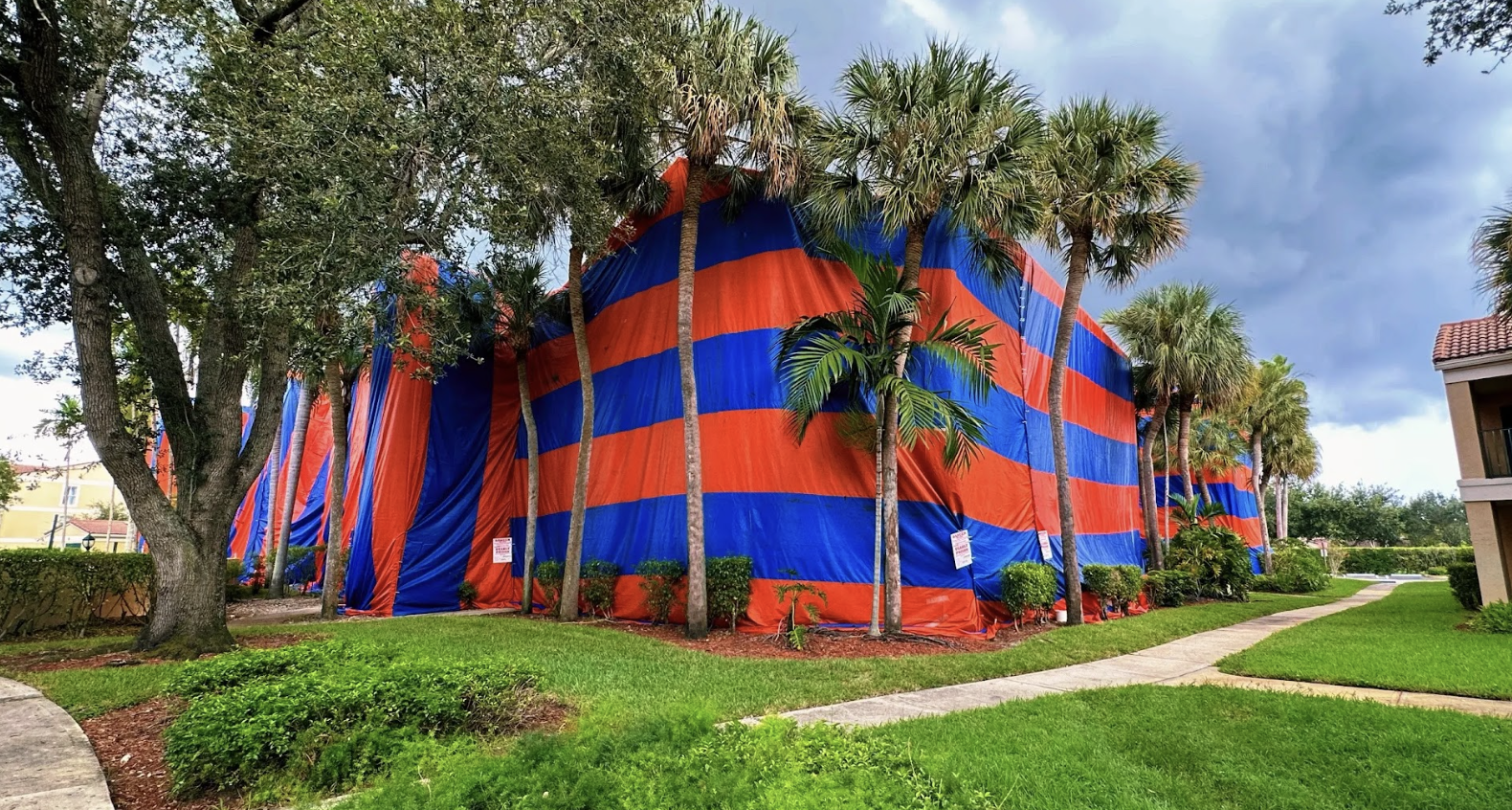
Your home deserves fumigation performed correctly by qualified professionals who will be accountable for results long after the tents come down.